


Managing Diabetes This Fall: Why Routine Diabetic Eye Exams Matter in Ellensburg
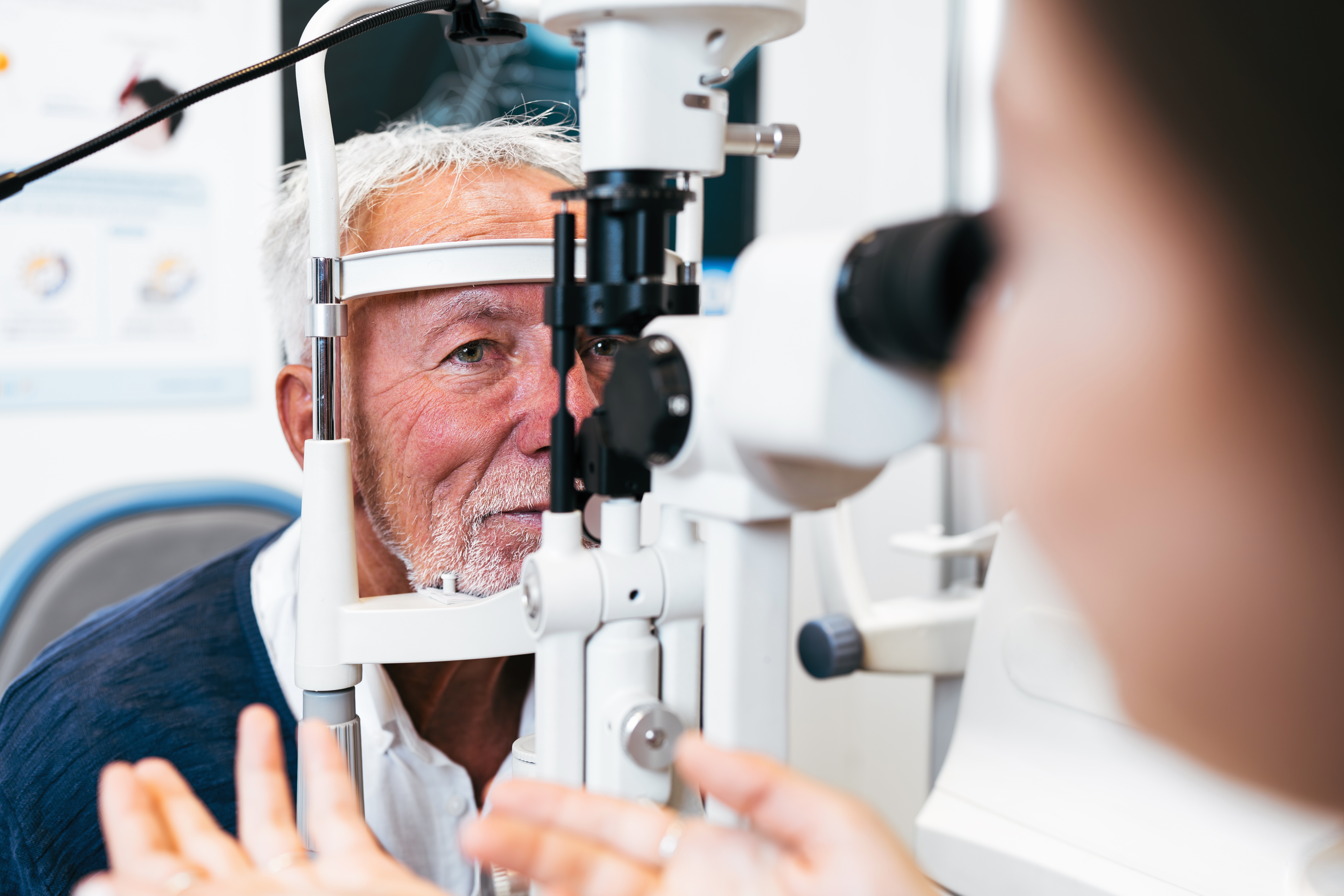
Fall is a natural time to review your health routine, especially if you are managing diabetes. Along with monitoring blood sugar and attending regular medical appointments, protecting your eyesight deserves attention. At Valley Vision Associates in Ellensburg, we provide diabetic eye exams to help identify diabetes-related changes before they interfere with your vision. Even when your eyes feel healthy, routine monitoring is an important part of long-term diabetes care.
How Diabetes Can Affect Your Eyes
Over time, elevated blood sugar can damage the tiny blood vessels in the retina, the light-sensitive tissue at the back of the eye. This damage can lead to diabetic retinopathy, a condition that may cause bleeding, fluid leakage, or swelling in the retina. Diabetes can also increase the risk of other eye problems, including cataracts and glaucoma.
Early diabetic retinopathy often develops without noticeable symptoms. You may read, drive, and work comfortably while changes are occurring. By the time blurred vision or dark spots appear, the condition may already require treatment. Regular diabetic eye exams help us detect concerns sooner and determine whether additional care is needed.
Why Schedule a Diabetic Eye Exam This Fall?
As the year moves toward the busy holiday season, fall offers a practical opportunity to check whether your recommended eye exam is up to date. If you have been postponing an appointment because your vision seems unchanged, remember that clear eyesight does not rule out retinal damage.
At our Ellensburg practice, we evaluate your eye health and discuss findings in the context of your diabetes history. Keeping your eye care on schedule also helps us compare results over time.
What Happens During a Diabetic Eye Exam?
A diabetic eye exam looks beyond your glasses prescription. We assess your vision and examine the retina for changes involving blood vessels, swelling, or other signs of eye disease. Dilating drops may be used to obtain a clearer view of the back of your eyes, and retinal imaging may be included when appropriate.
We will explain the results and recommend when to return. If we detect changes that need specialized treatment, we can discuss the next steps and appropriate referral. Dilation may leave your vision blurry or sensitive to light for several hours, so plan accordingly.
Ways to Protect Your Vision Between Exams
Diabetic eye care works best alongside your overall diabetes management plan. This fall, focus on habits that support both your health and your eyesight:
· Monitor blood sugar as directed by your medical care team.
· Keep blood pressure and cholesterol within your recommended targets.
· Take prescribed medications consistently.
· Stay active and choose balanced meals that fit your care plan.
· Report new blurry vision, floaters, or other visual changes promptly.
Sudden vision loss, a curtain-like shadow, or a sudden shower of new floaters requires urgent medical evaluation rather than waiting for a routine appointment.
How Often Should You Have an Exam?
Many adults with diabetes need a dilated retinal examination about once a year, although the schedule depends on their eye findings and diabetes management. Some people with consistently normal results may be advised to return every one to two years, while others need closer monitoring. People newly diagnosed with type 2 diabetes should arrange an eye exam at diagnosis.
Protect your vision and stay ahead of diabetes-related eye concerns this fall! Schedule your diabetic eye exam with Valley Vision Associates in Ellensburg, WA, by calling (509) 925-1000 today.


MAP
© 2026 Valley Vision Associates. All Rights Reserved. Accessibility Statement - Privacy Policy - Sitemap
Powered by: 